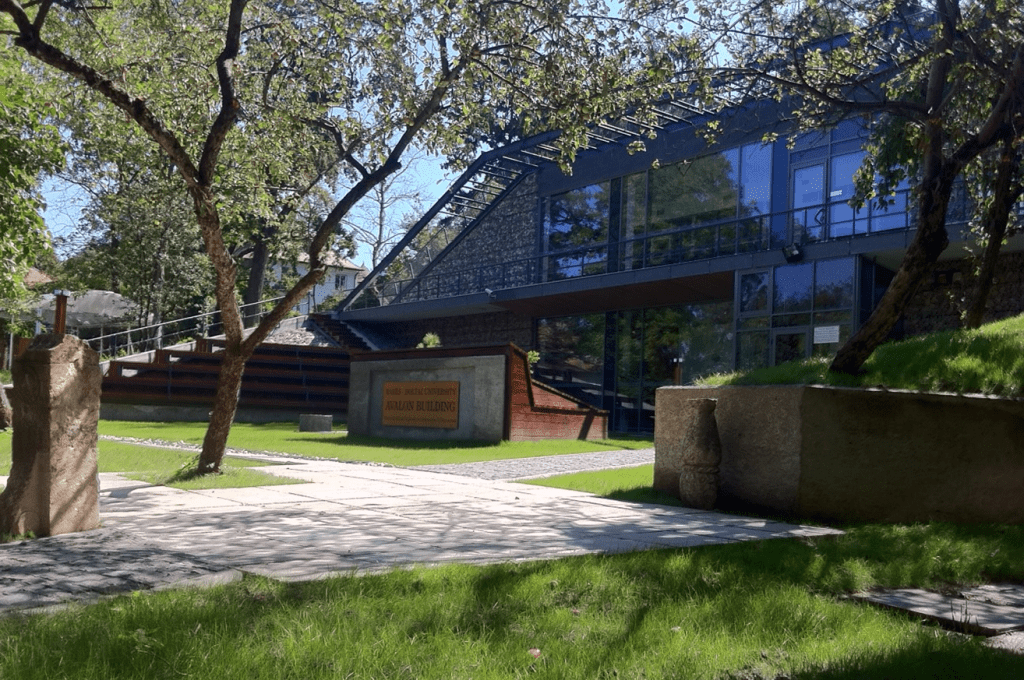
Welcome to the Emotion Regulation Laboratory
Babeș-Bolyai University, Cluj-Napoca, Romania
This is our official website, where you can learn more about our work, access free resources and get in touch with us.




About us
Welcome to the Emotion Regulation Laboratory, part of the International Institute for the Advanced Studies of Psychotherapy and Applied Mental Health (psychotherapy.psiedu.ubbcluj.ro) at Babeș-Bolyai University (BBU), Cluj-Napoca.
Our mission is to promote evidence-based information on emotion regulation by investigating its role as a transdiagnostic factor in psychological disorders, exploring the psychophysiological and neurobiological mechanisms underlying emotion regulation processes, and advancing strategies to address emotion regulation difficulties and improve emotional functioning. Through our research, publications, and educational initiatives, we aim to provide practical insights and valuable resources for clinicians, researchers, and the public, fostering a deeper understanding of emotion regulation and its impact on mental health and well-being.
Meet the Team
DIRECTOR
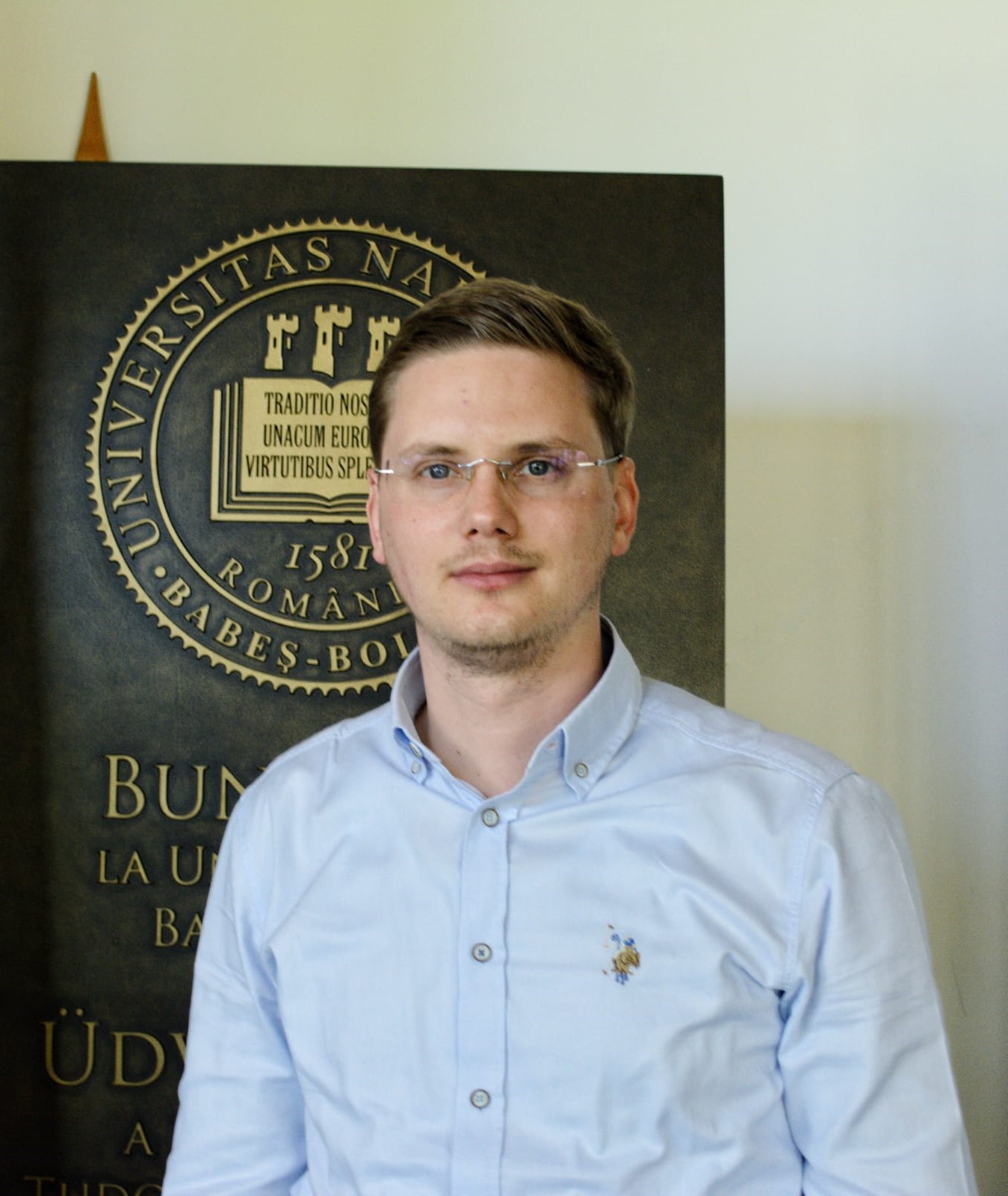
Răzvan Predatu, Ph.D.
Răzvan Predatu, Ph.D., is an Assistant Professor in the Department of Clinical Psychology and Psychotherapy at Babeș-Bolyai University (BBU), Cluj-Napoca, where he also serves as Vice-Dean of the Faculty of Psychology and Educational Sciences. He directs the Emotion Regulation Laboratory, part of the International Institute for the Advanced Studies of Psychotherapy and Applied Mental Health at BBU.
In 2024, Dr. Predatu was a Fulbright Scholar at Columbia University, New York City, conducting his research fellowship under the mentorship of Professor Douglas Mennin, Ph.D. He also engaged in advanced supervision and research activities at the Albert Ellis Institute, New York City, under Professor Raymond A. DiGiuseppe, Ph.D.
His research focuses on emotion regulation difficulties and their role in psychopathology, with a particular interest in the impact of negative beliefs about emotions on affective disorders, anxiety disorders, and sleep disturbances. He also investigates the psychophysiological and neurobiological mechanisms underlying emotion regulation processes, as well as the use of technology-based interventions to enhance clinical outcomes.
He is also a certified cognitive-behavioral psychotherapist by the Romanian Board of Psychologists.
RESEARCHERS
Simona Ștefan, Ph.D.
Simona Ștefan, Ph.D., is an Associate Professor in the Department of Clinical Psychology and Psychotherapy, Faculty of Psychology and Educational Sciences, Babeș-Bolyai University, and a member of the International Institute for the Advanced Studies of Psychotherapy and Applied Mental Health. She is a cognitive-behavioral psychotherapist, clinical psychologist, and psychological counselor. Simona got her Ph.D. in 2012 at the Evidence-Based Assessment and Psychological Interventions Doctoral School at Babeș-Bolyai University (coordinator Professor Daniel David, Ph.D.). In 2018, Simona was a Fulbright scholar, conducting her research fellowship at Boston University, working with Professor Stefan Hofmann, Ph.D. Her research interests encompass anxiety disorders, investigating the efficiency of psychological interventions and their mechanisms of change, clinical cognitive sciences, and interpersonal relations.

Diana Nechita, Ph.D.
Diana Nechita, Ph.D., is an Associate Professor in the Department of Clinical Psychology and Psychotherapy, from Babes-Bolyai Cluj-Napoca University. She is a clinical psychologist and a cognitive-behavioral therapist certified by the Romanian Board of Psychologists and the Albert Ellis Institute of New York. Diana is also a supervisor in cognitive-behavioral psychotherapies.
Her research interests are evidence-based psychological interventions and self-conscious emotions and their relationship with psychopathology (mood and anxiety disorders, eating disorders), focusing on their regulation.

Ruben Nechifor, Ph.D.
Dr. Ruben Emanuel Nechifor, Ph.D., is currently a Scientific Researcher at the International Institute for Advanced Studies in Psychotherapy and Applied Mental Health of Babeș-Bolyai University, after working as a Postdoctoral Fellow in the (Radiological Sciences Department) of the Department of Radiological Sciences at the University of California Los Angeles (UCLA) in the USA (https://ucla.academia.edu/RubenEmanuelNechifor) and as a Postdoctoral Researcher at the MRI Research Centre at the University of New Brunswick (UNB) in Canada (https://mri.ext.unb.ca/Personnel/photo_archive.php).
He obtained the title of PhD in Materials Engineering in 2011 at the Technical University of Cluj-Napoca, studying by Nuclear Magnetic Resonance new polymeric nanocapsules used in drug delivery (https://utclujnmr.weebly.com/group-members.html), part of these doctoral studies being carried out at the Technische Universität Ilmenau, Germany (https://www.tu-ilmenau.de/techphys2/mitarbeiter/).
He graduated from the Master’s degree in Complex Molecular Systems at the Faculty of Physics of Babeș-Bolyai University (Erasmus scholarship at Université Claude Bernard Lyon 1, France) after graduating from the Bachelor’s degree in Medical Physics also at the Faculty of Physics of Babeș-Bolyai University.

Liviu Fodor, Ph.D.
Liviu-Andrei Fodor, Ph.D., is an Assistant Professor in the Department of Clinical Psychology and Psychotherapy and a member of the International Institute for the Advanced Studies of Psychotherapy and Applied Mental Health, both at Babeș-Bolyai University, Cluj-Napoca. He holds a Bachelor’s degree in Psychology, a Master’s degree in “Clinical Psychology, Psychological Counselling and Psychotherapy”, and a PhD in Psychology from the “Psychodiagnosis and Scientifically Validated Psychological Interventions” Doctoral School, at Babeș-Bolyai University. His research interests include meta-research procedures, network approaches to mental disorders, and advanced research methods for evaluating the efficacy/effectiveness of technologically augmented psychological interventions (e.g. virtual reality, online/offline PC and mobile platforms) in the treatment of mental disorders.

Cosmin Popa, Ph.D.
Cosmin Popa, Ph.D., is an Associate Professor in Psychiatry and a certified cognitive-behavioral therapist by the Beck Institute of Cognitive-Behavior Therapy, Philadelphia. He earned his Ph.D. in 2013 at the University of Medicine, Pharmacy, Science and Technology in Târgu-Mureș, with research focusing on cognitive-behavioral interventions for generalized anxiety disorder and comorbid obsessive-compulsive personality disorder, with a special focus on perfectionism. His clinical expertise includes treating anxiety, depression, personality disorders, and psychotic disorders. His research investigates the efficacy of CBT for anxiety, depression, and personality disorders.

Petronela Predatu, Ph.D.
Petronela Predatu holds a Ph.D. in Psychology. She obteined her bachelor’s degree in Psychology in 2015 and completed her master’s degree in Clinical Psychology, Psychological Counseling, and Psychotherapy in 2017, both at Babeș-Bolyai University. Her research interests focus on the role of response expectancies in generating positive emotions, as well as the role of expectancies on the effectiveness of positive psychological interventions and psychotherapy. Additionally, Petronela is a certificated specialist in clinical psychology and an autonomous cognitive-behavioral psychotherapist, accredited by the Romanian Board of Psychologists.

International Collaborators
Douglas Mennin, Ph.D.
Douglas Mennin, Ph.D., is a Professor of Clinical Psychology at Columbia University. His research centers on anxiety and mood disorders, with a particular focus on worry, stress, and depression. He emphasizes the importance of effectively processing emotional situations and managing moods adaptively. Dr. Mennin developed Emotion Regulation Therapy (ERT), an integrative, mind-body psychotherapy informed by contemporary affect science and neuroscience, which has demonstrated positive outcomes in treating chronic anxiety and mood disorders. His work has identified key cognitive, physiological, and neural mechanisms that contribute to the therapy’s effectiveness. He also collaborates on adapting ERT for caregivers of cancer patients, aiming to reduce distress and improve well-being. Additionally, Dr. Mennin has conducted numerous clinical trials and basic research studies to further understand the mechanisms underlying emotional dysregulation in anxiety and depression.

Robert Leahy, Ph.D.
Robert L. Leahy, PhD, is Director of the American Institute for Cognitive Therapy in New York City and Clinical Professor of Psychology in the Department of Psychiatry at Weill Cornell Medical College. Dr. Leahy is Associate Editor of the International Journal of Cognitive Therapy and is past president of the Association for Behavioral and Cognitive Therapies (ABCT), the International Association for Cognitive Psychotherapy, and the Academy of Cognitive and Behavioral Therapies (A-CBT). He is a recipient of the Outstanding Clinician Award from ABCT and the Aaron T. Beck Award from A-CBT. Dr. Leahy is author or editor of 29 books for mental health professionals and the general public, including If Only and The Worry Cure. His books have been translated into 21 languages.

Antonio Maffei, Ph.D.
Antonio Maffei, Ph.D., is an Assistant Professor at the Department of Developmental Psychology and Socialization at the University of Padova. He earned his Master’s in Neuroscience and Neuropsychological Rehabilitation in 2014 and his Ph.D. in Psychological Sciences in 2019. Dr. Maffei has held postdoctoral positions at the Padova Neuroscience Center and has been a visiting researcher at the University of Würzburg and Babeș-Bolyai University. His research focuses on the psychobiological correlates of emotional behavior in healthy and subclinical populations, using electrophysiological techniques such as EEG, MEG, ECG, EMG, and GSR. He is also interested in developing ecological methods for experimental emotional induction.

Ph.D. Students
Denisa – Maria Moldovan
Denisa-Maria Moldovan is a Ph.D. student at the Evidence-Based Psychological Assessment and Interventions Doctoral School, Babeș-Bolyai University, Cluj-Napoca. She is also a graduate of the Master’s program in ‘Clinical Psychology, Psychological Counseling, and Psychotherapy’ (2024) and holds a Bachelor’s degree in Psychology (2022), both from the Faculty of Psychology and Educational Sciences at Babeș-Bolyai University, Cluj-Napoca. Her research interests focus on exploring the mechanisms involved in the progression of symptoms in depression, anxiety, and borderline personality disorder, as well as investigating the role of parental styles in families dealing with psychological issues and emotional regulation difficulties. The aim is to identify key factors and interventions that can improve mental health outcomes for individuals and families. Additionally, Denisa is a clinical psychologist under supervision and obtained her professional practice license in 2023.

Maria – Dacina Neciu
Maria-Dacina Neciu is a Ph.D. student at the Evidence-Based Psychological Assessment and Interventions Doctoral School, Babes-Bolyai University, Cluj-Napoca. She is also a graduate of the Master’s program in ‘Psychological Techniques for Controlling Behavior and Human Potential Development’ (2024) and holds a Bachelor’s degree in Psychology (2022), both from the Faculty of Psychology and Educational Sciences at Babeș-Bolyai University, Cluj-Napoca. Her research interests include investigating the implications and efficacy of integrating artificial intelligence into psychological interventions, as well as the role of Emotion Regulation Therapy in maintaining mental health. Currently, Dacina is a clinical psychologist under supervision, certified by the Romanian College of Psychologists, and is training as a psychotherapist in Cognitive-Behavioral Therapies. She is also certified as an educator and primary school teacher.

Anda-Gabriela Felea
Anda-Gabriela Felea is a Ph.D. student at the Evidence-Based Psychological Assessment and Interventions Doctoral School, Babes-Bolyai University, Cluj-Napoca. She is also a graduate of the Master’s program in ‘Clinical Psychology, Psychological Counseling, and Psychotherapy’ (2025) and holds a Bachelor’s degree in Psychology (2023), both from the Faculty of Psychology and Educational Sciences at Babeș-Bolyai University, Cluj-Napoca. Currently, she is a clinical psychologist under supervision. Anda has also deepened her knowledge in the field of psychological interventions in addiction and victimology at the Catholic University of Portugal, benefiting from an Erasmus scholarship. Her research interests include evidence-based interventions in reducing distress in young adults, studying relevant mechanisms in the maintenance of emotional disorders, as well as the efficacy of compassion-based techniques in increasing relationship satisfaction.

Răzvan-Viorel Mornea
Răzvan-Viorel Mornea is a Ph.D. student at the Evidence-Based Psychological Assessment and Interventions Doctoral School, Babes-Bolyai University, Cluj-Napoca. He is also a graduate of the Master’s program in ‘Judicial Psychology’ (2025) and holds a Bachelor’s degree in Psychology (2023), both from the Faculty of Psychology and Educational Sciences at Babeș-Bolyai University, Cluj-Napoca. Currently, Răzvan is a research assistant at the UBB Institute of Psychology, a member of the Next Generation Virtual Excellence College (UBB Student Fellowship), and a principal investigator in a study examining the effect of an attention control intervention on reducing worry and repetitive negative thoughts. This study is conducted and funded through special research grants awarded by our university. His research interests include emotional regulation, metacognitions, and emotional schemas involved in emotional regulation, as well as cognitive, behavioral, and affective neuroscience.

M.S. Students
Diana-Klaudia Balla
Diana-Klaudia Balla is a master’s student in the ‘Psychological Techniques for Controlling Human Behavior and Human Potential Development’ program, as of October 2023, and holds a Bachelor’s degree in Primary and Preschool Education Pedagogy (2023), both from the Faculty of Psychology and Educational Sciences at Babeș-Bolyai University, Cluj-Napoca. Her research interests include investigating the efficacy of technology-based psychological interventions for alleviating symptoms across various psychological disorders, as well as the role of emotion regulation in maintaining mental health.

Diana-Gabriela Corlățan
Diana-Gabriela Corlățan is a master’s student in the ‘Clinical Psychology, Psychological Counseling, and Psychotherapy’ program, as of October 2023, and holds a Bachelor’s degree in Psychology (2023), both from the Faculty of Psychology and Educational Sciences at Babeș-Bolyai University, Cluj-Napoca. Her research interests include investigating and utilizing technology-based psychological interventions for the prevention and reduction of symptoms associated with eating disorders, as well as the role of emotion regulation in maintaining a positive body image and overall mental health. Currently, Diana is training as a psychotherapist in Cognitive-Behavioral Therapies and is also pursuing psychopedagogical training courses.

Alumni members
Every scientific endeavor relies on the dedication and passion of those who pursue it. Our laboratory is fortunate to have alumni members whose commitment and expertise have enriched our projects, fostered innovation, and supported the advancement of evidence-based knowledge. Their contributions remain an integral part of our academic community and inspire future generations of researchers.
Research Projects


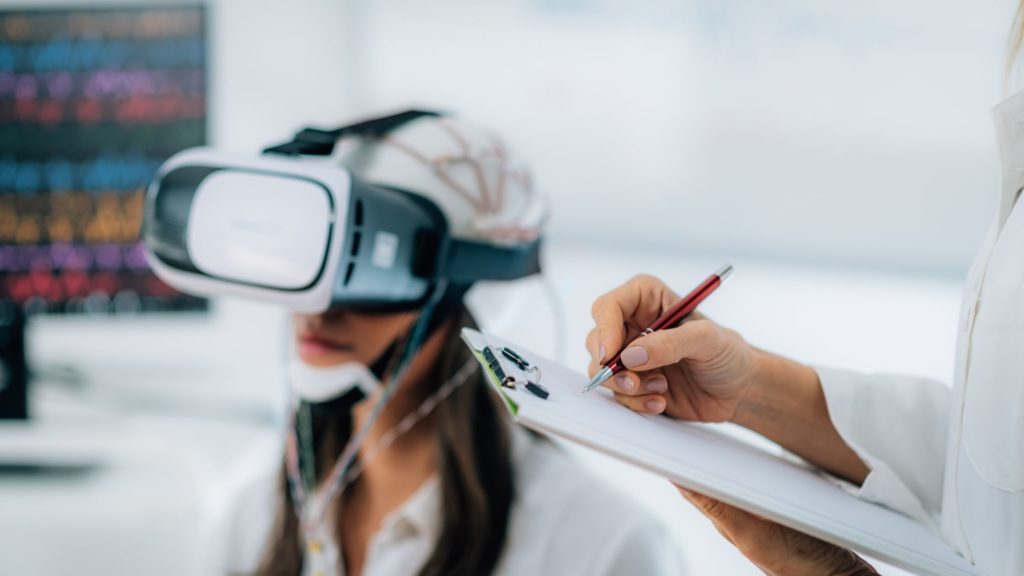
Publications (selected)
Bud, S., Nechita, D., & Szentagotai Tatar, A. (2023). Emotion regulation strategies in borderline personality disorder: A meta-analysis. Clinical Psychologist, 27(2), 142–159. https://doi.org/10.1080/13284207.2022.2152668
Crisan, S. M., & Nechita, D. M. (2022). Maladaptive emotion regulation strategies and trait anger as predictors of depression severity. Clinical Psychology & Psychotherapy, 29(3), 1135–1143. https://doi.org/10.1002/cpp.2702
David, O. A., & Fodor, L. A. (2023). Are gains in emotional symptoms and emotion-regulation competencies after the REThink therapeutic game maintained in the long run? A 6-month follow-up. European Child & Adolescent Psychiatry, 32(10), 1853–1862. https://doi.org/10.1007/s00787-022-02002-w
Predatu, R., David, D. O., & Maffei, A. (2020a). Beliefs About Emotions, Negative Meta-emotions, and Perceived Emotional Control During an Emotionally Salient Situation in Individuals with Emotional Disorders. Cognitive Therapy and Research, 44(2), 287–299. https://doi.org/10.1007/s10608-019-10064-5
Predatu, R., David, D. O., & Maffei, A. (2020b). The effects of irrational, rational, and acceptance beliefs about emotions on the emotional response and perceived control of emotions. Personality and Individual Differences, 155, 109712. https://doi.org/10.1016/j.paid.2019.109712
Predatu, R., David, O. A., Ovidiu David, D., & Maffei, A. (2021). Emotion regulation abilities as a predictor of anxiety, positive emotions, heart rate, and alpha asymmetry during an impromptu speech task. Anxiety, Stress, & Coping, 34(6), 719–733. https://doi.org/10.1080/10615806.2020.1867717
Predatu, R., Voinescu, B. I., & David, D. O. (2020). The Role of Emotion Regulation Difficulties in the Relation Between Insomnia and Depressive Symptoms. International Journal of Behavioral Medicine, 27(6), 615–622. https://doi.org/10.1007/s12529-020-09903-7
Predatu, R., Voinescu, B. I., David, D. O., Maffei, A., Nechifor, R. E., & Gentili, C. (2023). Emotion regulation difficulties in the relation between stress-related insomnia symptoms and brain response to emotional faces: An fMRI study. Sleep Medicine, 101, 561–569. https://doi.org/10.1016/j.sleep.2022.11.033
Stefan, S., & David, D. (2020). Mindfulness in Therapy: A Critical Analysis. International Journal of Clinical and Experimental Hypnosis, 68(2), 167–182. https://doi.org/10.1080/00207144.2020.1720514
Stefan, S. I., & Hofmann, S. G. (2019). Integrating Metta Into CBT: How Loving Kindness and Compassion Meditation Can Enhance CBT for Treating Anxiety and Depression. Clinical Psychology in Europe, 1(3), Article 3. https://doi.org/10.32872/cpe.v1i3.32941
Resources
“Emotion Regulation and Mental Health” series
Learn more about the impact of emotion regulation on mental health in our webinars.
These questions are explored in this week’s webinar, ‘ThinkIFI — Negative Thoughts on Repeat.’
These questions will be explored in this week’s webinar, ‘Personality & Love: Understanding the Impact of Personality Disorders in Romantic Relationships.’
“Meet the Expert” series
In the ‘Meet the Expert’ series, professionals in the field of psychology discuss the role of emotion regulation in the treatment of mental disorders.
Dr. Andrada Vincze explores these topics in this week’s webinar, ‘Champion Mindset: Master Your Emotions, Overcome Pressure.’
Assistant Professor Dr. Monica Bartucz explores these questions in this week’s webinar, ‘Why do Romanians Suffer in Silence? A Conversation about Mental Health.’
Emotion Regulation Interventions
Blog
Announcements
This section highlights the latest announcements and achievements of our lab members. From groundbreaking research and publications to awards and new initiatives, here’s where we celebrate our progress. Check back often to see what’s new.
Join us
The Emotion Regulation Laboratory is often looking for thoughtful and hard working undergraduates, graduates or post-graduates who have a passion for science and interest in emotion regulation research. If you are interested in a research position or to work in the laboratory as a volunteer, please contact Răzvan Predatu at the e-mail address razvanpredatu@psychology.ro, making sure to send your CV and a statement of purpose no more than one page long.
Contact
If you are interested in learning more about our research, or getting involved in studies, contact us at emotionregulationlaboratory@gmail.com or razvanpredatu@psychology.ro .
The dissemination of scientific information on emotion regulation and its implications for mental health is carried out through the following ‘SciFeel – cu și despre emoții’ social media platforms:
The following social media platform includes information and findings regarding the research projects conducted exclusively in our laboratory:
Location
No. 37 Republicii Street,
Cluj-Napoca, Romania (400015)